 Loading page…Loading page…Loading page…
Some vehicles and projects need an individual scope.
Describe the vehicle, its history, its condition and what you expect from it. We build the job around that: inspection, a clear scope, a quotation before any work.
Tell us about the vehicle, what you want from it, the deadline you have to meet and, if you have one in mind, the budget you are thinking of devoting to it. We look at what is achievable within that, then agree the scope with you before any quotation.
Collection car, event preparation, a complex combination of services, particular collection or return arrangements, or a professional fleet request: we assess projects that do not fit a standard package.
We quote nothing before we have seen the vehicle: on an unusual project, a photograph does not replace an inspection. Some requests belong to other trades — bodywork straightening, mechanics, re-upholstery, glazing — and we say so at the first conversation rather than after the vehicle has been dropped off. The form collects as much useful information as possible without requiring the customer to know the industry's technical terms. Pricing follows the study of the project, and it is supplied in writing.
These examples describe the kinds of request Bespoke Car Care covers. They do not replace an inspection: every project is built around the vehicle itself, its condition, the result you are after and the budget you want to put into it.
A car left standing for years is not treated like an everyday vehicle. Original paint that is sometimes thin, fragile seals, embedded dust, dried-out leather: the work begins with knowing what must not be touched. The scope is agreed with the owner, panel by panel.
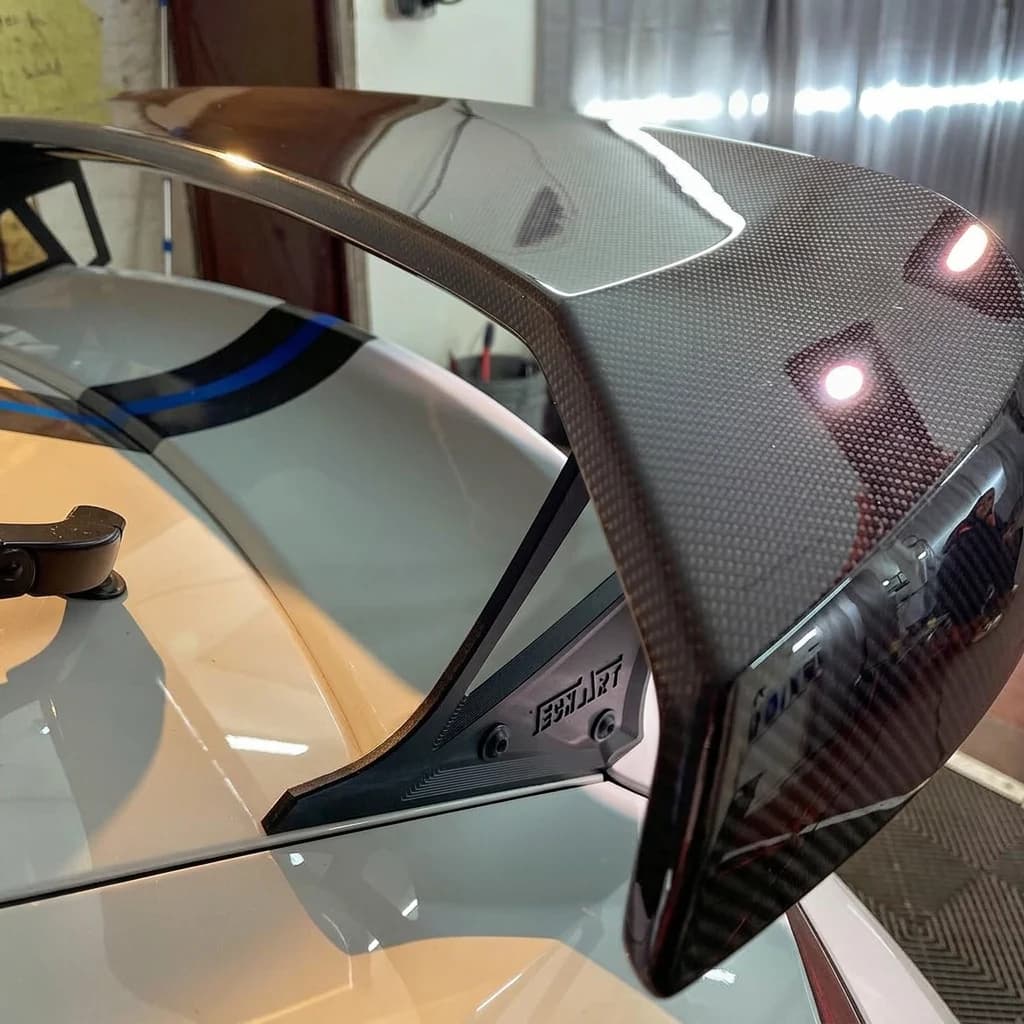
Hard clear coats, matte finishes, multi-layer paints, exposed carbon fibre: standard methods do not respond the same way. Reading the paint and testing on a section come before any correction, and the finish level is agreed with you before the passes begin.
Here the date governs everything. We work back from the deadline: what is achievable in the time available, what is not, and what will have to wait. We tell you what will be finished by the date, and what will have to be picked up later.
Interior renovation, paint correction and ceramic protection on the same vehicle do not simply add up: the order of the steps and the curing times change the total time off the road. The quotation presents the whole as a single project, with a real duration rather than the sum of the published ones.
Several vehicles, a pace to keep, sometimes an availability constraint: a business request is assessed on volume and schedule as much as on the condition of the vehicles. Terms are set before the first vehicle arrives.
A non-running vehicle, transport by flatbed, return to an address other than the drop-off point: these constraints are settled during the assessment, not the day before the appointment.
The form asks about the vehicle, its condition, its history, what you expect from it and the budget you want to put into it. That is a scoping input like any other, and it helps us pitch the level of intervention we propose. No technical vocabulary is required: describing what you see is enough. Photographs help a great deal, especially taken in daylight.
A conversation separates what falls under a standard service from what genuinely needs an assessment. If your request fits a standard service, we say so: it will cost you less.
Reading the paint, measuring clear coat thickness where it is relevant, the state of the cabin, the sensitive points. This is the step that turns an estimate into a defined scope.
It states what is done, what is not, how long the vehicle is off the road and what it costs. Nothing starts until it is approved.
Your budget helps us choose what matters most on your car. It decides how far the work goes, never the care that goes into it.
Your car's model, what you want to achieve and the budget you have in mind: with those three, the proposal is right first time.